Headcase Update: April 6th, 2025
A quick update on the screenwriting process, contest updates, and my search for my own writing Obi-Wan-Kenobi.
Greetings from Barbados!




So, a quick update on where I am in the screenwriting process.
On 3/28 I finished the “Pilot” or 1st episode of “Headcase: The Series.” The industry standard is that one screenwriting page equals 1 minute of film/showtime. So, a writer needs to keep the script to 60 pages for most hour-long cable and streaming shows. I’m a bit long at 72 pages. I also created a 60-page version, but cut out Andrew’s scene as a 5-year-old at the driving range where Ted discovers he has a prodigy in the making and other scenes that reinforce his troubled childhood, but it’s not as strong.
The writer who contacted me and was interested in making a show with me has been silent. However, I know he is on set for a show, so he’s not thinking about his next project. For those of you who know me, I’m not so great at the whole patience thing, so I have my Plan B in action.
Plan B is to get the script reviewed and get what the industry calls “notes” or feedback from seasoned writers. One easy way to do that is to submit my Headcase Pilot to contests and pay to get feedback from the contest judges.
In 2018 and 2019, when Headcase was a TV Script, I submitted it to many contests. From the last newsletter, you can see the laurels of some of the awards I won.
But this time around, five years later, I feel the storyline has more twists and turns, and the characters are more relatable and have deeper back-stories, which lend to their current behaviors.
So last week, before leaving for a short break to visit my home away from home, Barbados, I submitted the 60-page and 72-page versions to 20 contests. Yes, it was a bit overkill, and I might have been trigger-happy, as FilmFreeway makes it super easy to find and submit scripts to contests. However, it will give me a broad statistical sample of how commercially acceptable my script is right now. The good thing is that I should have results of most of the contests in the next 30-60 days.
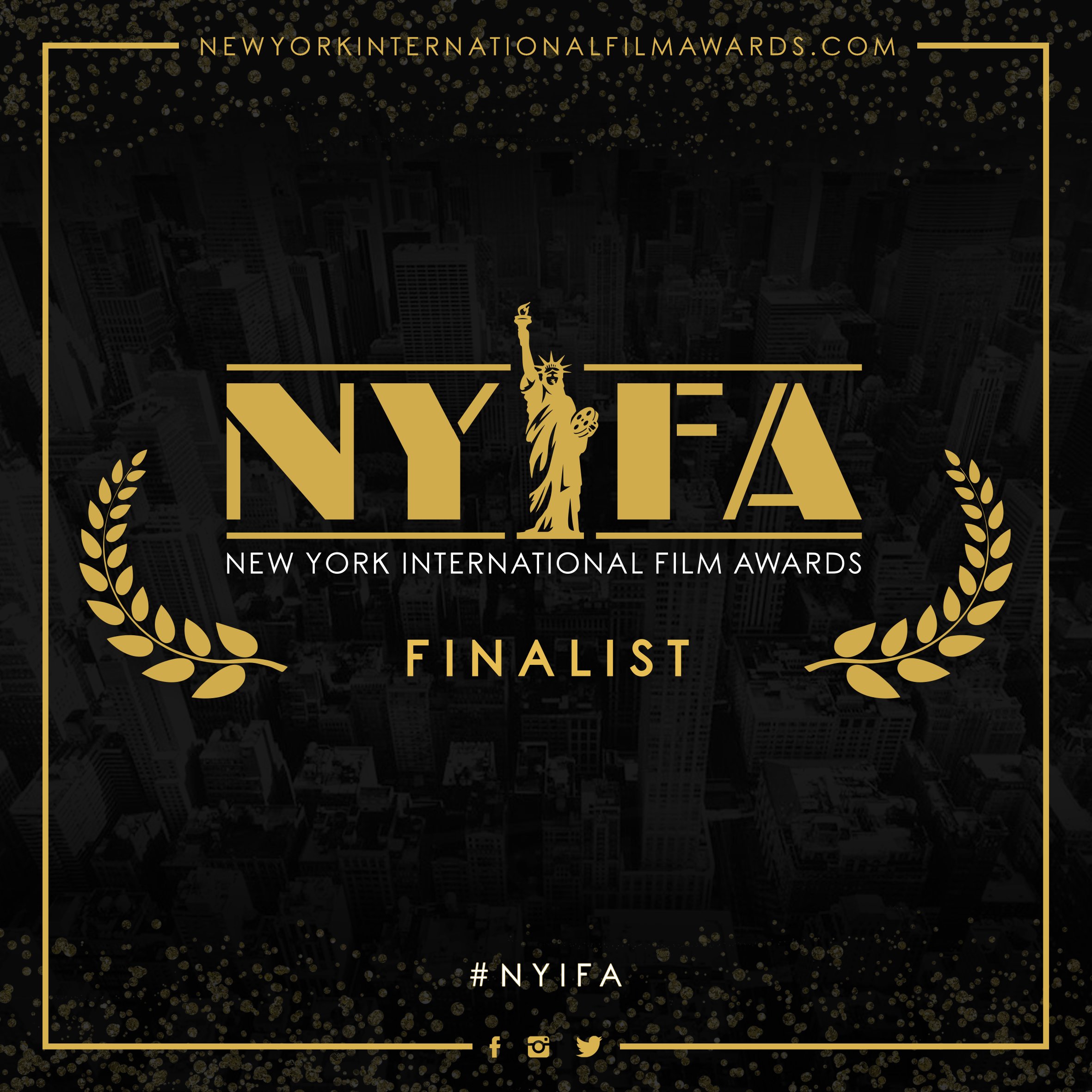
In fact, Headcase was named a finalist in the New York International Film Awards (NYIFA) and a Finalist in the Oniros Film Awards, also in New York! FYI: Oniros means “dream” in ancient Greek. I’m very excited!

In another contest I entered last week, not only did I get written feedback but I also had a video call with the reviewer on Thursday. A Scottish writer, also named Chris, and we talked for an hour about Headcase. He liked the script, and if I can get access to the recorded Zoom, I’ll see if I can post some of our call. If not, I’ll post some of his comments.
Chris gave me excellent feedback on some scenes that could be tightened, shortened, and more economical. His big issue was that my pacing was slow due to too much dialogue without sufficient action in between. He pointed out some specific places that needed tightening, and I agreed with him.
Chris was really kind about how he delivered his feedback. I joked with him that he did not need to give me the compliment-criticism-compliment sandwich, just come out with it, and we can “edit without mercy.” He told me he was relieved, as he had seen some writers come to tears when given the slightest criticism of their scripts. I embrace a “best idea wins” attitude with my writing, because it’s for all of you, and I want you to enjoy my writing, and hopefully my future show!!!
After our call, I had lunch at one of my favorite restaurants in Barbados, Pier 1, in Speightstown, near where I stayed in Mullins on the West Coast of Barbados. Pier 1 is right on the water, with a large deck with lounge chairs for relaxing and swimming after a meal. There is even a swimming pool where you can swim right up to the bar and order that pina colada while watching the day slowly drift by.

While waiting for lunch and staring out at the turquoise sea, I got several ideas for rewriting the scenes that Chris said slowed down the script's pacing. After lunch and a swim, I went back to pencil marking up my script, writing new lines, and targeting other blocks of text or dialogue that will be mercilessly removed.
After the changes are made, the UK-based festival will allow me to resubmit a revised script to the contest. They graciously gave me another 10 days to submit my revisions, and we will have another consultation. So, as one of my favorite Key Westers, Ernest Hemingway, said, “Writing is re-writing.”
So while I’m waiting to hear the contest results, the next big task is finding a Manager. But just like Disco Stu, Managers don’t advertise.

One of the mistakes I’ve made as an entrepreneur and CFO is investing time, money, and energy into industries where I don’t fully understand the sales cycle, especially when the customers are large corporations.
I have spent my entire career not working for either companies I built from scratch or consulting for small and medium-sized businesses. So, I have a blind spot in how slow large corporations work and where their motivations lie. The TV and film industry is complicated, with many players and almost all behemoth corporations.
I believe everything in life is reincarnation, which means I get to do things over and over again. So, when writing and selling scripts, I won’t be blindsided by a corporate process I was unaware of.
So I’ve invested in my TV business education and purchased two books on the TV industry. Yes, they are as dry and dull as you might think, but I’m pushing through them. What hasn’t been dry and dull was my purchase of a recorded seminar on “How to Find a Manager” from Stage32. Stage32 helps writers and filmmakers find work and educates them on the industry. Spencer Robinson, a Manager with the Art/Work Entertainment Agency, hosted the seminar. His three video class, which I think were recorded in 2021 due to all the COVID references, helped reset my mindset on the importance of having representation, a manager, and a lawyer. Then they can get you an Agent, but with a good manager and lawyer, it is possible that a talented writer could get pitch meetings with producers without an agent.
The difference between a manager and an agent is that one is transactional and the other is developmental. The manager helps me develop my writing and career and guides me through the ups and downs of show business. My agent is transactional and is there to sell me and attach me to productions where they can make money. Managers and Agents are paid 10% each of a writer's earnings.
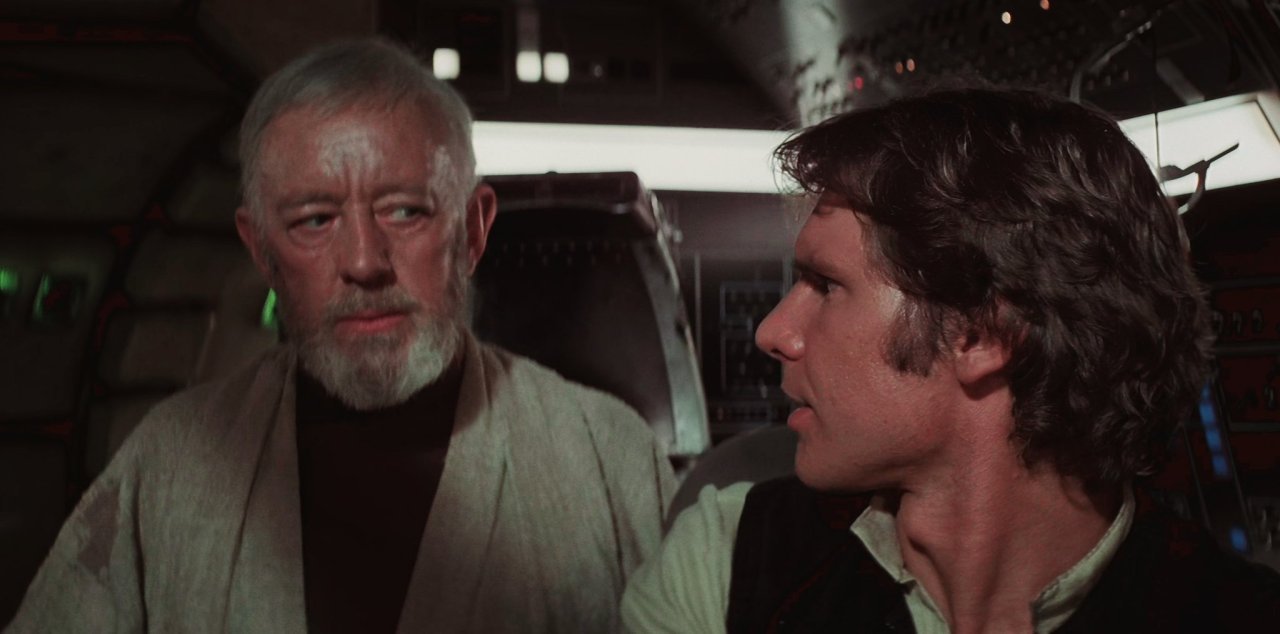
To put it into familiar characters roles, a writer’s manager is Obi-Wan-Kenobe while your agent is Han Solo. Both will help you defeat Darth Vader and blow up the Death Star, but each approaches Luke Skywalker with very different intentions.
What gets a manager’s attention is winning contests and proving they can put me in a room with TV executives so I won’t choke under pressure. And that I have multiple scripts!
The other big takeaway from the class was that I heard Spencer repeatedly say that producers, after I pitch my show, will ask, “What else do you have?” So, when I get to that meeting, I need to be prepared.
This is not hard. I have many show ideas. So, I will gather all my notes, outlines, journals, files, and all my other short stories and musings, and put together a writing portfolio to present. I’ll also write “treatments” which are short one or two page summaries of the show, the characters, and the story line.
So, it will be a busy few months. I’ll keep you all informed of my progress, and if I win any contests, I’ll post the results.
In the meantime, if you know any entertainment attorneys or literary managers, please feel free to introduce them to me.
Thank you again for all your support and the encouraging messages people sent me here on Substack, email, and text!
Warmest Regards,
Chris K. Jones